
Neuro-Optometric Rehab vs. Standard Eye Exams: Choosing the Right Care in Orange County
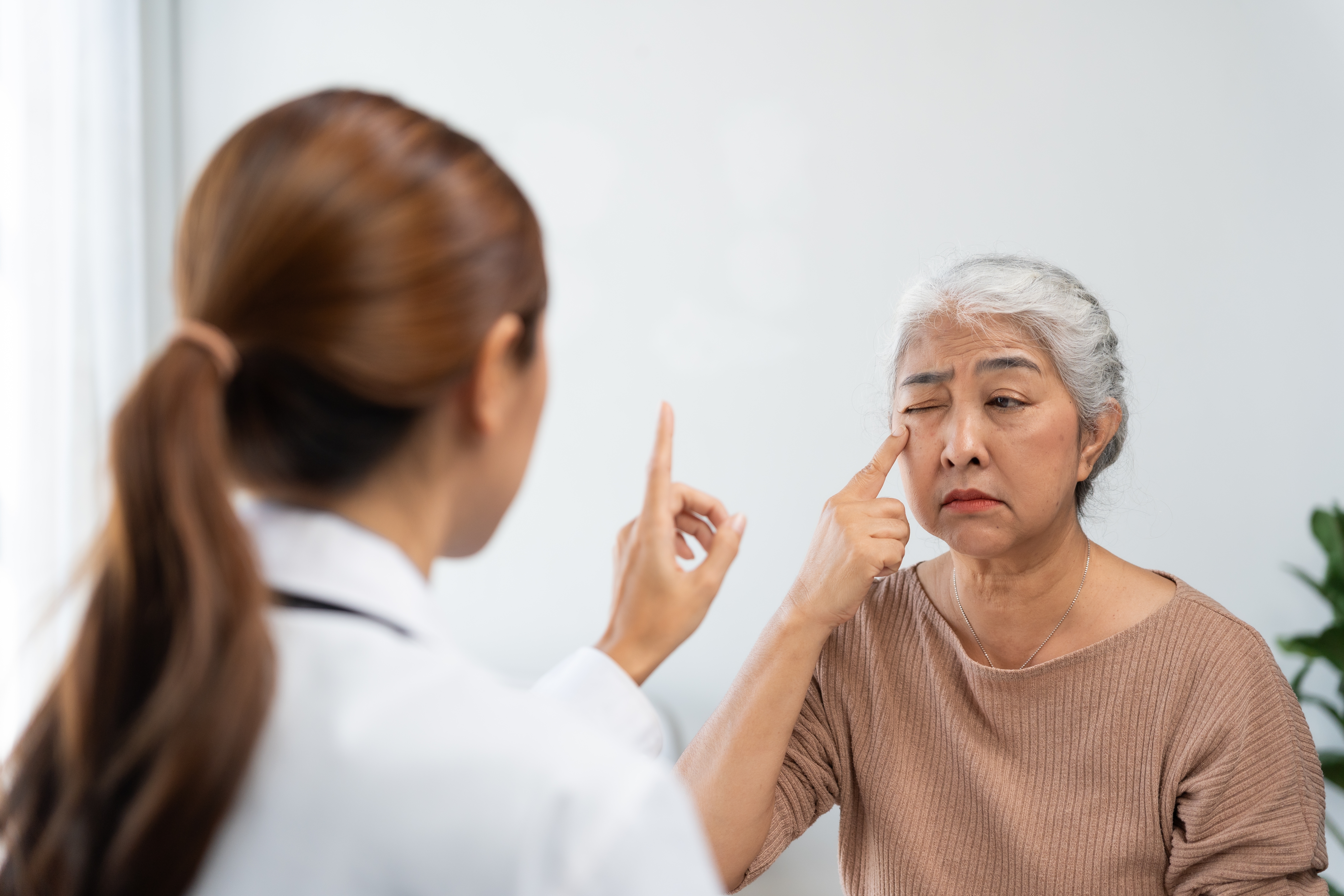
Did your vision change after the accident, a concussion on the field, a stroke, or a fall that seemed minor at the time? Now reading tires you out and crowds feel overwhelming. Your balance could also be off in ways you cannot quite explain.
A comprehensive eye exam is an important next step. It checks eye health, clarity of vision, focusing, eye movements, and how the eyes work together. Even when you see 20/20 on an eye chart, persistent symptoms after a neurological injury may require additional specialized evaluation.
Persistent symptoms still deserve attention.
That is where neuro-optometric rehabilitation may help. It adds specialized assessment and care for vision problems associated with neurological conditions. Here is how it builds on a comprehensive eye exam, and how Orange County patients can explore the care they need.
What a Standard Eye Exam Looks At
A comprehensive eye exam evaluates several aspects of vision and eye health. Can you see clearly at a distance and up close? Are the eyes healthy? How well do they focus, move, and work together?
The doctor examines the cornea and retina, measures the pressure inside the eye, and checks visual function. Refraction helps determine your prescription. The examination findings guide treatment recommendations and any need for further testing or referral.
Comprehensive exams can assess eye teaming, focusing, and eye movements. After a neurological injury, additional testing may be needed to understand visual endurance and how vision interacts with balance, movement, and spatial awareness. A neuro-optometric evaluation gives these concerns specialized attention.
What Neuro-Optometric Rehab Adds
Neuro-optometric rehabilitation is an individualized treatment plan for visual problems caused by brain injury, stroke, concussion, or other neurological conditions. It treats acquired issues. Problems that appeared after an event, not at birth.
The evaluation goes deeper. A full ocular health check comes first. Then testing of pupil function, eye tracking, eye teaming, focusing, and visual fields. The doctor watches how the eyes pursue a target. How quickly they jump from one point to the next. Both matter.
The conditions it addresses are specific. Binocular vision dysfunction makes the eyes strain to work as a team. Headaches follow. So does fatigue. Accommodative dysfunction makes shifting focus difficult. Oculomotor problems disrupt tracking and reading. Visual field loss falls in this scope. So do spatial disorientation and double vision.
Left alone, these problems can shape a life. A patient may be labeled learning-disabled or inattentive, yet the real issue is visual. Anxiety and panic can follow, along with poor depth perception and balance trouble.
Why the Brain Injury Connection Matters
Roughly 20% of the nerve fibers leaving the eye connect to the vestibular system. That network governs balance and eye movement. The wiring explains a lot: why so many brain injury patients report dizziness; why busy spaces bring on nausea; why steady ground suddenly feels unsteady.
A comprehensive eye exam may identify signs that call for further investigation, but it may not reveal the full extent of visual difficulties after a neurological injury. Even when the eyes appear healthy and the prescription is correct, persistent symptoms can warrant a specialized neuro-optometric evaluation.
Signs You May Need a Different Exam
Ask yourself a few questions. Do you struggle to read a page that used to be easy? Do busy environments leave you drained? Are headaches a daily visitor? Does your vision seem fine on a chart but unreliable in real life?
If a neurological event came before these symptoms, the connection is worth exploring. A neuro-optometric evaluation is built for exactly that pattern.
How Treatment Works
No two plans look alike. Testing comes first. Then the doctor builds a program around the specific deficits found.
Treatment may include lenses and prisms to guide light more effectively. Occlusion is another option. Patching one eye can reduce competing input. Vision therapy exercises retrain tracking, focusing, and teaming.
The work is often collaborative. Neurologists may be involved, as well as occupational therapists, physical therapists, and mental health providers. Vision does not recover in isolation.
Finding the Right Care in Orange County
Your eye doctor can identify concerning signs and refer you for specialized evaluation when appropriate. For ongoing visual symptoms after a neurological injury, look for a clinician with experience in neuro-optometric rehabilitation.
Ask about experience with brain injury patients. Ask what testing the evaluation includes. Ask how progress gets measured. A good fit will answer all three clearly.
Your eyes may be healthy, but your vision may still be struggling. These are two different things. Orange County patients deserve care that knows the difference.
For more on neuro-optometric and standard eye exams, visit Dr. Terry Tsang Optometry, Inc. Our office is in Irvine, California. Call (949) 870-2763 to book an appointment today.


Our Services
Contact Info
Hours of Operation
- Monday 9:00am - 5:00pm
- Tuesday 9:00am - 5:00pm
- Wednesday 9:00am - 5:00pm
- Thursday 9:00am - 5:00pm
- Friday 9:00am - 5:00pm
- Saturday By Appointment Only
- Sunday Closed
© 2025 Dr. Terry Tsang Optometry, Inc. All rights Reserved. Accessibility Statement - Privacy Policy - Sitemap
Powered by:
